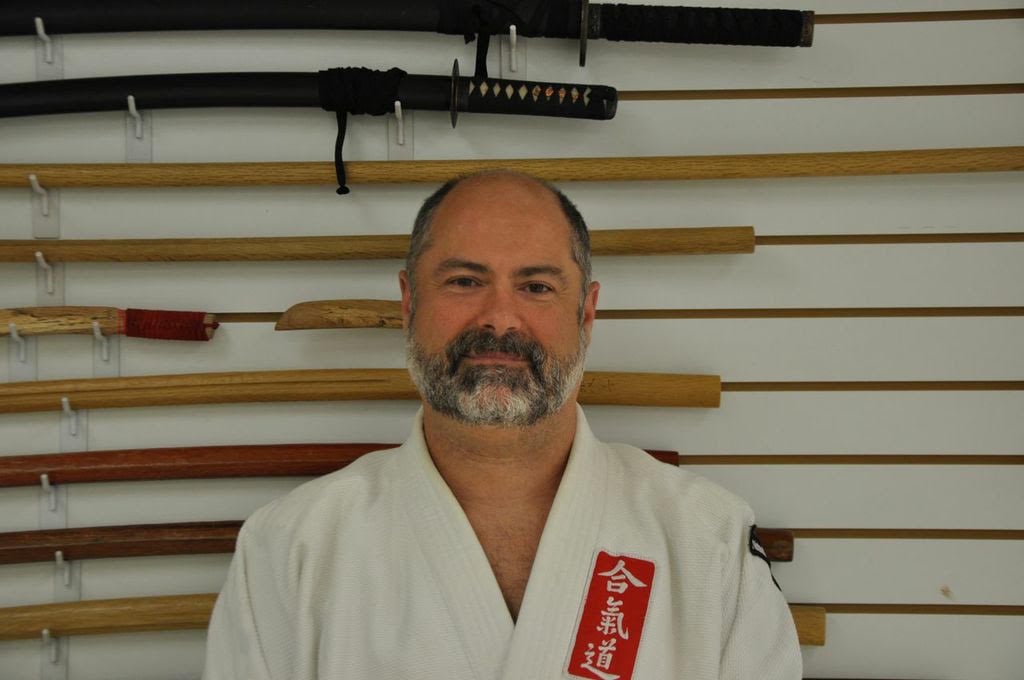
“I’m always trying to perfect myself. It’s like martial arts: I can always do better and be a better person. I try to always get myself better.”
That philosophy has followed Steve Tatonetti from the dojo to the courtroom. A board-certified civil trial attorney in New Jersey and a longtime martial arts instructor, he treats every case, and every day, as a chance to sharpen his craft. Since joining Locks Law Firm in 2022, he has brought that relentless drive to clients across the state.
Steve may have been destined to be a lawyer, as his life began as a fight. His mother became pregnant at 40, and doctors called it a miracle. He arrived prematurely with underdeveloped lungs after a pregnancy marked by hemorrhaging. His doctors at Penn put it simply: he fought to be conceived; he fought to be born, and he fought to survive.
By age nine, he knew he wanted to be a lawyer, and those who know him say he was born for it rather than following his family’s popular career choice of engineering.
When Steve started out, he assumed every lawyer was a trial lawyer. He soon learned otherwise, but his love and fascination with the courtroom never faded. Today he is one of roughly 1% of New Jersey attorneys who are board certified in civil trial law, a distinction that requires years of trial experience.
Before joining Locks Law Firm in 2022, he was a partner at a Camden firm of eight attorneys. None of the others wanted trial work, so every case headed to court landed on his calendar. Before COVID, he was trying cases up to twice a month, most running four to five days. When the firm’s senior partners retired, Locks Law Firm needed a New Jersey trial lawyer, and the fit was natural.
His approach is shaped by the same discipline he brings to martial arts:
- Every case is the biggest case. He fights each one as hard as the next, regardless of dollar value. Adversaries have told him they try to avoid facing him for exactly that reason.
- A settlement is a win. As he points out, you can try the same case 10 times and get 10 different outcomes. A case that reaches a jury usually means something went wrong along the way.
- Always improving. Like a martial artist, he is never finished perfecting his technique.
During his career, Steve has changed New Jersey law on public entities and notice, a case the American Trial Lawyers Association recognized as one of Torts in the Top Ten in 2007.
Steve has some concerns about the industry. He worries about attorneys who developed their skills during COVID. With hearings moved to Zoom, young attorneys aren’t spending as much time in courtrooms the way earlier generations did. They miss the chance to build relationships with judges and adversaries, and to develop the in-person presence that lets a trial lawyer command a room. That presence, he says, simply doesn’t translate to a screen, and those relationships matter.
He also believes legal advertising has damaged the profession. It makes law look like a lottery rather than a profession, prejudices juries before attorneys ever enter the courtroom, and gives injured people an unrealistic sense of what their case is worth. He works to counter that, both with his clients and in front of juries.
His approach to clients also bucks the trend. “I treat my clients the way I would want my family treated,” he says. That starts with access: every client gets his personal cell number, and he answers it around the clock. Other attorneys tell him he’s crazy. His view is simple: “If a client calls, it means they need me.”
Steve has no plans to slow down. Most mornings start with a run, bike ride, or swim between 4:30 and 5:00 AM, and he is in the office by 7:00 or 7:30. He is currently training for a half Ironman. As his paralegal tells him, most guys his age are slowing down, and he’s picking up speed.
For someone who has spent his life working to be better, slowing down was never part of the plan.