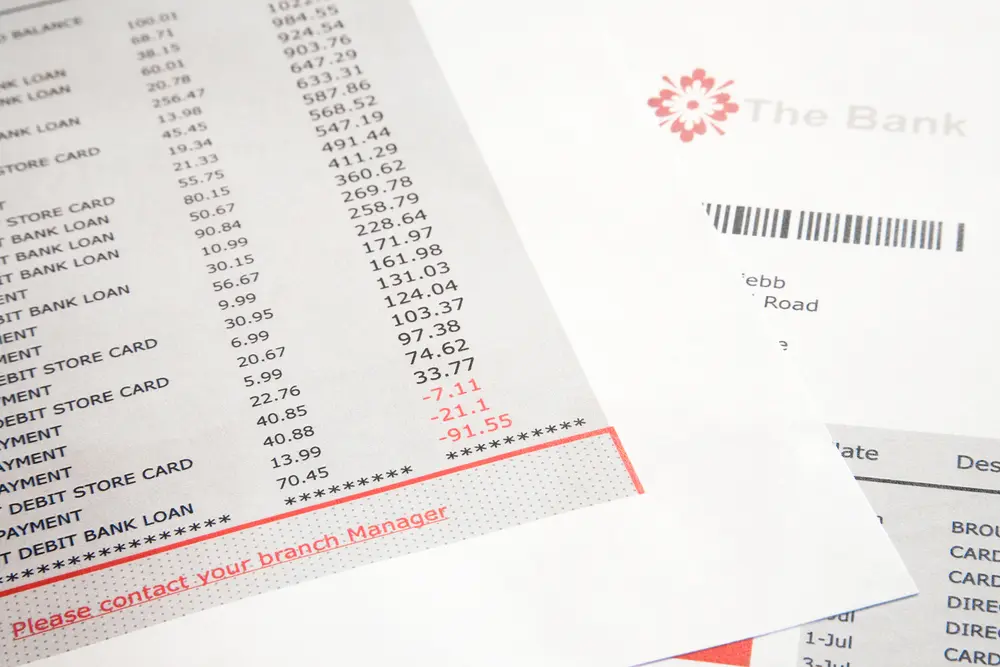
Overdraft fees are charged when a customer tries to make a purchase on a debit card or get cash from an ATM when they do not have enough money in their account to cover the transaction at the time, putting their account into a negative balance or overdraft.
The Consumer Financial Protection Bureau reported that in 2015: “The banks that reported consumer overdraft and NSF fee revenues for 2015 had a total of $3.87 trillion in consumer checking and savings account deposits..”
"*" indicates required fields
For example, a customer might assume that they would be unable to complete a transaction on their debit card if the funds weren’t available in their account. When in reality, a bank approves the purchases and the customer is left with excessive overdraft fees. While the amount charged for an overdraft fee depends on the bank the national average is $35 per overdraft.
Not only can you be hit with an overdraft fee that is larger than the cost of the item you are attempting to purchase, but the number of overdraft fees you can be charged varies from bank to bank, too. Some banks will cap the max fees and issue an overdraft one time per business day, regardless of the amount of attempts, while others can charge up to 7 times in a single day, potentially totaling up to $245 in overdraft fees in a single day.
According to a Consumer Protection Report published by the US Public Interest Research Group (US PIRG) in 2016:
“The 10 banks that collected the most overdraft revenue through the first three quarters of 2016, in order, were: Chase Bank, Wells Fargo, Bank of America, TD Bank, US Bank, PNC Bank, Suntrust Bank, Regions Bank, Branch Banking and Trust, and Woodforest National Bank.”